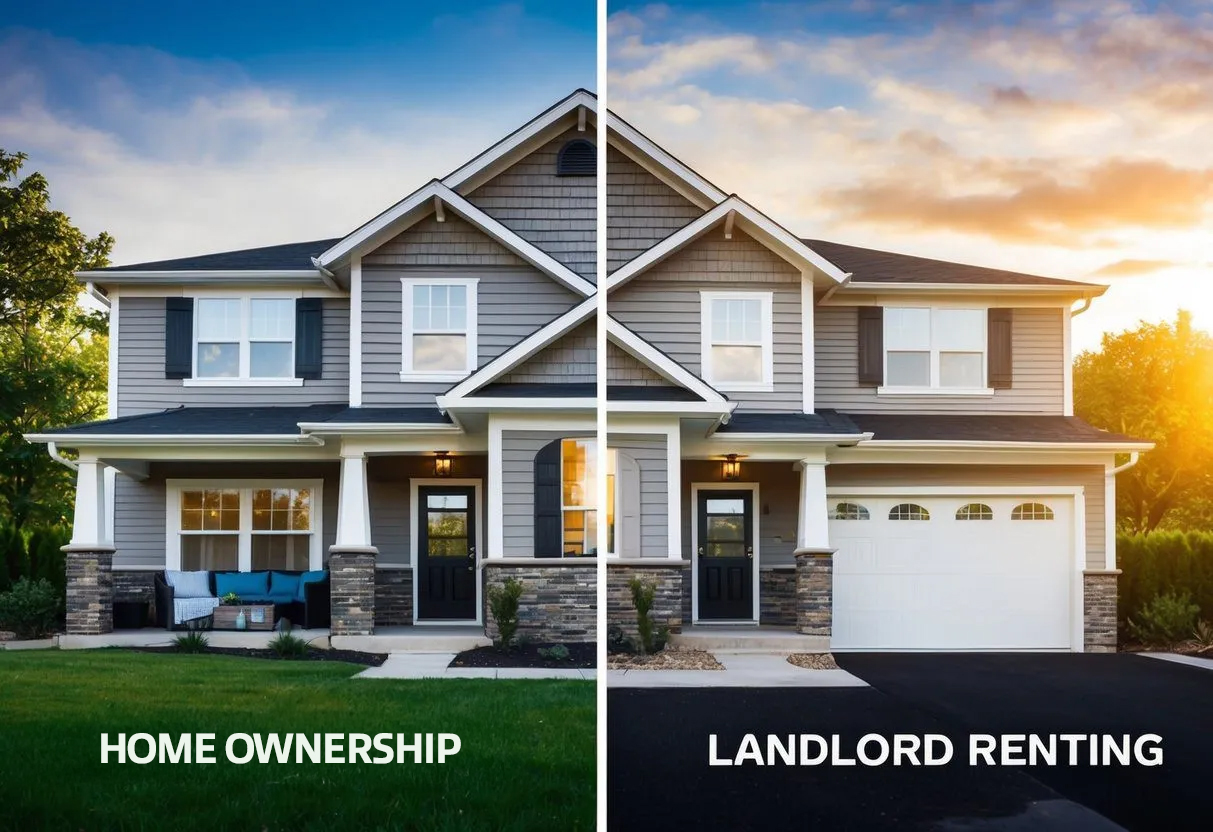
Only a small fraction of San Diego residents — about 15% — can afford to buy a typical home today. That reality is reshaping daily life and putting real strain on the community.
I’m 43, have spent 16 years in my career, and hold a master’s degree in journalism. I also earn more than the median income for San Diegans over 25, which is around $57,000. By most measures, I’m doing better than average. Yet owning a home in this city is completely out of reach for me, just as it is for most people. Not long ago, even San Diego’s mayor was renting.
Being single isn’t the reason, either. If I lived with a partner who made the same income as I do, we still wouldn’t qualify for a median-priced home. Only a small slice of families can. Slightly cheaper options exist, like studios or one-bedroom condos, but even those aren’t widely affordable.
People already know this, but the emotional and social effects are huge. For decades, homeownership has been a core part of the “American Dream.” The growing gap between that expectation and the current housing market is shaking long-held beliefs about stability and success.
Some might argue that the solution is simple: move somewhere cheaper. But this overlooks the fact that housing affordability has collapsed across the entire country. According to the National Association of Realtors, 2023 marked the lowest level of affordability since they began keeping track in 1989. This isn’t happening because people lack work ethic. Prices have risen far faster than wages, leaving Americans with fewer and fewer options.
Local leaders often say the key is to build more homes. San Diego has increased home-building permits dramatically in 2023 and 2024 — nearly doubling previous levels. But even with that progress, the city remains far below what it needs to match the growing demand. For decades, the population grew much faster than the housing supply, and two strong years can’t undo that long-term imbalance.
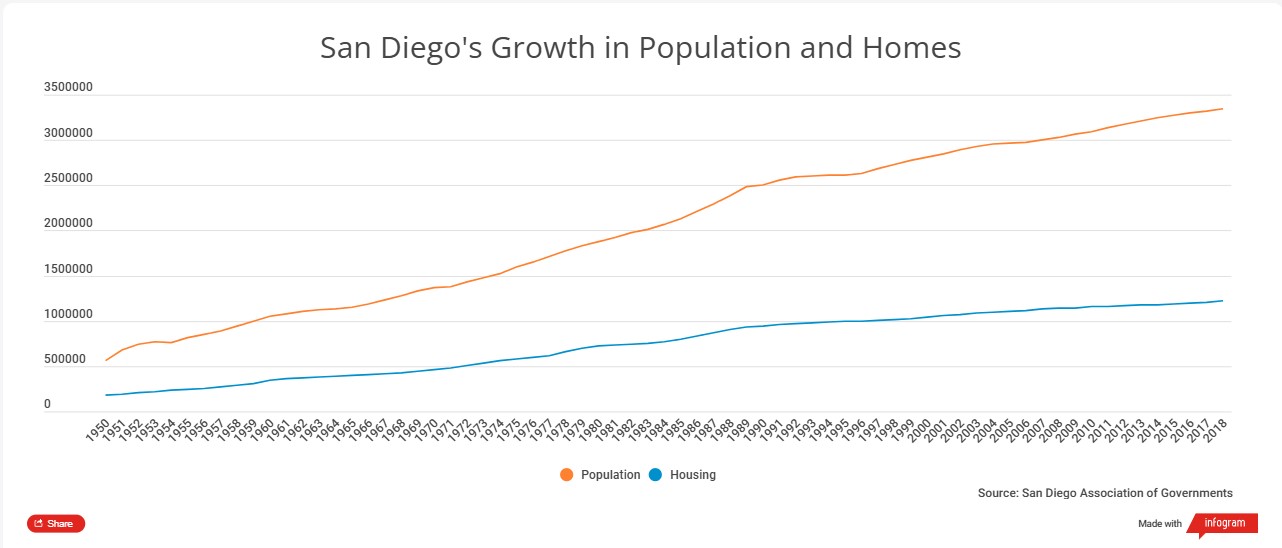
Some critics now claim supply isn’t the problem. Encinitas Mayor Bruce Ehlers, for example, points to recent population dips in the state and county and argues that if fewer people live here, a shortage doesn’t exist. But population stagnation often reflects the housing crisis itself. When homes become too expensive, people leave or avoid starting families. A slight population decline doesn’t prove there’s enough housing — it’s a warning sign that people feel pushed out.
Despite slow progress, adding homes does work. Research from the Pew Charitable Trusts shows that when new housing is built, rent increases slow down — especially for older, more affordable units. Reporting in San Diego has found that neighborhoods permitting the most new housing saw smaller rent jumps than those that built little.
There’s also irony in the fact that Ehlers’ own daughter was able to buy a condo in a new development in Encinitas — the type of project local leaders long resisted. Those homes are still expensive, but they’re far cheaper than the area’s median price. Even so, Ehlers rejects the idea that new housing is helping younger generations gain a foothold.
Many people share that skepticism because the progress feels too slow. If expanding supply is the only strategy elected leaders can offer, public support may fade.
Some officials, like San Diego City Councilmember Sean Elo-Rivera, argue that government needs to step back into housing production more directly — something it did decades ago. He believes large-scale public investment and ownership may be necessary to keep housing from being driven entirely by profit.
Housing is tied to a wider affordability challenge. Wages aren’t keeping up with rising costs in health care, education, utilities, insurance, and daily essentials. Meanwhile, corporate profits continue to climb.
Housing sits at the center of these problems. It shapes financial security, opportunity, and mental well-being. Without a long-term plan to address the housing shortage, elected leaders won’t just be failing the public — they may soon find themselves being the ones asked to “move.”
While homeownership in San Diego still difficult, making the right decision about buying or selling can feel like a real challenge. Whether you're buying a home, downsizing or upsizing your current home, investing or cashing out all together...if you’re open to having the right agent team put in the work for you, we can get it done.
The DHC Group can help you explore what’s possible and present pain free options that might work for you.