


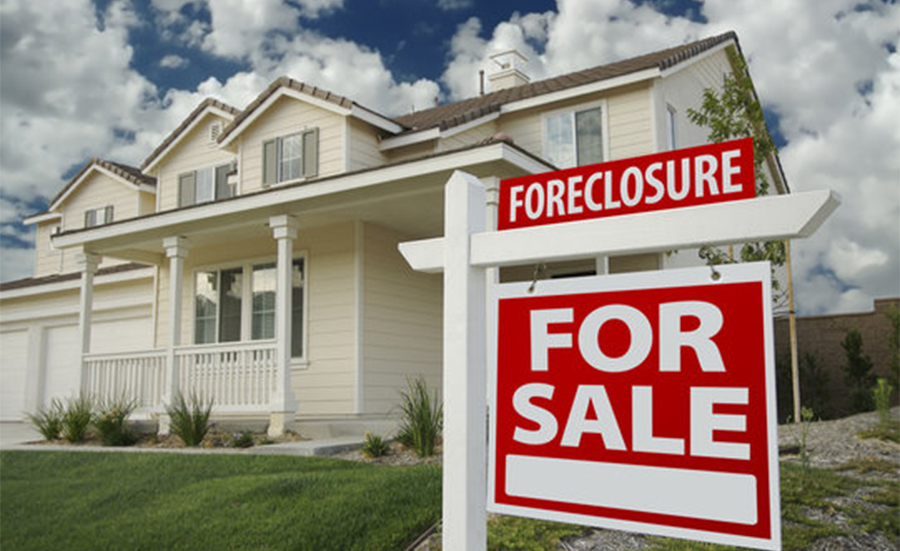
Missing a mortgage payment can feel like the first step toward losing everything. But for most homeowners, the gap between a late payment and a foreclosure notice doesn’t have to be the beginning of the end, depending on what you do next.
Mortgage experts explain how many mortgage payments you can miss and steps to prevent foreclosure.
The Truth of the First Missed Payment
Before you panic, a single missed mortgage payment triggers very little immediate consequence. The most that happens is likely “a reminder text and email”.
In fact, lenders typically provide a grace period of around 10 to 15 days before imposing a late fee.
It's when you cross the 30-day mark without payment that unpaid balances are usually considered delinquent loans and reported to the credit bureaus.
Federal Law Gives You 120 Days
Legally, you’ve got up to 120 days (or roughly four missed payments) before a servicer or lender can begin foreclosure proceedings.
However, there may be some exceptions with Federal Housing Association (FHA) and Veterans Association (VA) loans, so borrowers should always confirm these timelines.
It also may be a good idea to apply for loss mitigation before that deadline.
"If you apply for loss mitigation within the 120-day window, it guarantees that the servicer will not start foreclosure proceedings during the process of reviewing your application.”
Judicial Vs. Non-Judicial Foreclosure
Once a lender moves forward with foreclosure, state law shapes how quickly things can escalate. If you live in a state that engages a judicial process, “the lender must sue a homeowner in court in order to get a foreclosure judgment.”
In states with non-judicial state foreclosures like California (non-judicial foreclosures are most common), these take place outside of court and are often much quicker, possibly only a few months.
What Is Loss Mitigation?
Loss mitigation is an umbrella term for the range of options lenders offer to help struggling borrowers avoid foreclosure.
These options are often misunderstood, "Borrowers tend to believe they must already be in default to get help; in reality, acting proactively creates a much more stable position."
Mitigation may include a forbearance period for payments, adding the payments to the back end of the mortgage, a short sale or a deed in lieu of foreclosure.
How Forbearance Works
Forbearance — an agreement with your lender to temporarily pause or reduce payments — can be a lifeline, but it's not a free pass.
“Those payments will be added to the end of your mortgage, adding interest and in many cases additional fees."
Before accepting a forbearance agreement, borrowers need to ask hard questions: Can they realistically afford to stay long term? Is their financial hardship temporary or ongoing? Do they have equity in the home or are they underwater?
The Most Important Thing to Do
It is always recommended that a borrower calls their lender before things get worse.
“Don’t bury your head in the sand and think the problem is going to resolve itself. Ultimately, lenders don’t want to foreclose or own your property.
Early communication is often more powerful than the missed payment itself, allowing for “greater options for mitigation compared to allowing formal collection notices to arrive."
Make a phone call before the due date arrives, rather than waiting for it to happen, "Homeowners who save their houses are always proactive people who initiate the conversation, thus receiving all the options available before their mortgage is in collections."
If you find yourself in an unfortunate situation, I’ve worked with most banking institutions across the state to resolve challenges facing hardship and/or pre-foreclosures. Feel free to call or message me any time. I’m happy to listen, and to offer my expertise when it’s needed.